

EKSPLA Appoints Elite Alliance Corp., Ltd. as Representative in Taiwan
EKSPLA has spent nearly two decades in the Taiwanese market. Now Elite Alliance Corp. takes over as its local representative, handling sales and service for the full EKSPLA laser range.

EKSPLA employees donate 50,000 Euros to the RADAROM! campaign
EKSPLA’s employees voted to give €25,000 of their own bonuses to Ukraine’s defence. The company matched it, turning the gift into €50,000 for the RADAROM! campaign’s soldier protection packs.

EKSPLA celebrates women in STEM
Lithuania leads Europe with 64% of its science and tech workforce being women. For the Day of Women and Girls in Science, two EKSPLA specialists, an optics technologist and an electronics assembler, share how they got there.
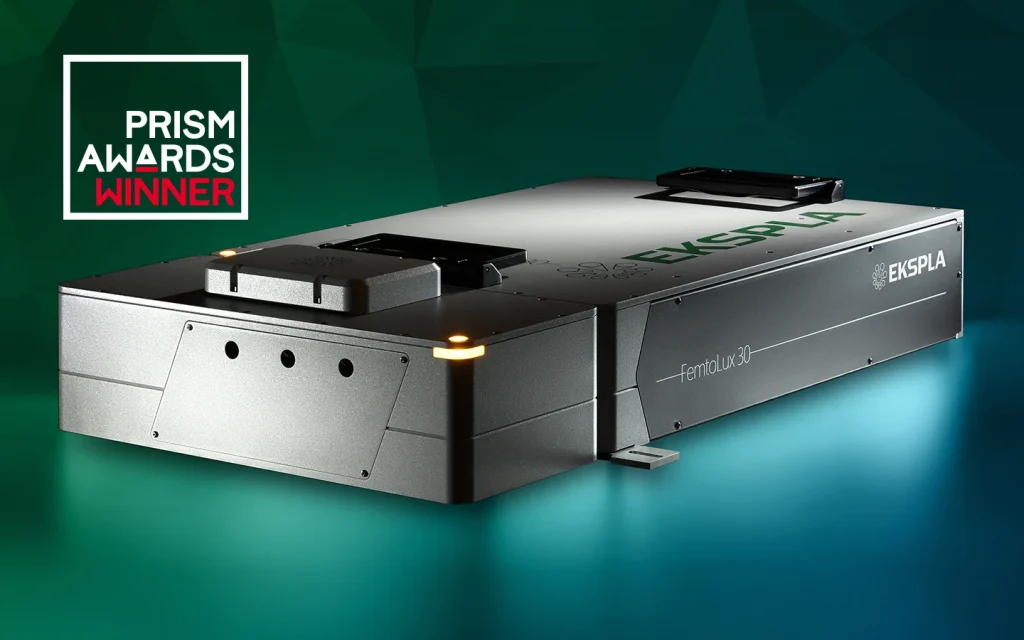
FemtoLux 30 is the winner of SPIE Prism Awards 2024 in laser category
Often called the Oscar of photonics, the SPIE Prism Award went to EKSPLA’s FemtoLux 30 in 2024. The win honors an ultrafast industrial laser known for GHz burst flexibility and a maintenance-free dry cooling system.
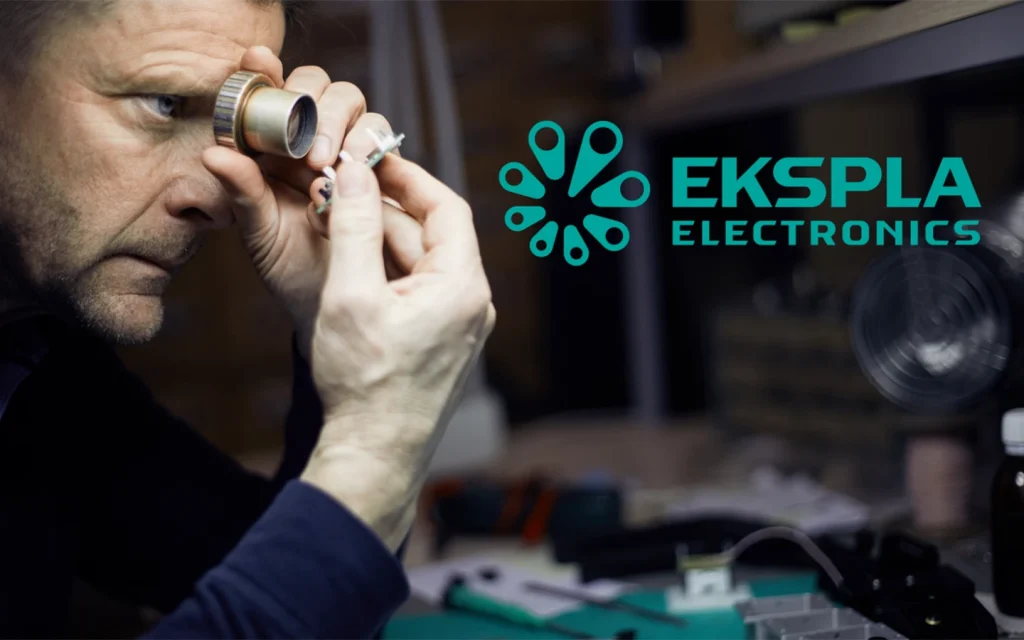
Ekspla is looking for distributors of OEM laser electronics for US & Canada regions
For 20+ years, US laser makers have built on EKSPLA’s electronics. Now EKSPLA is looking for distribution partners to bring its OEM diode drivers, Pockels cell drivers, and power supplies to more of the US and Canada.
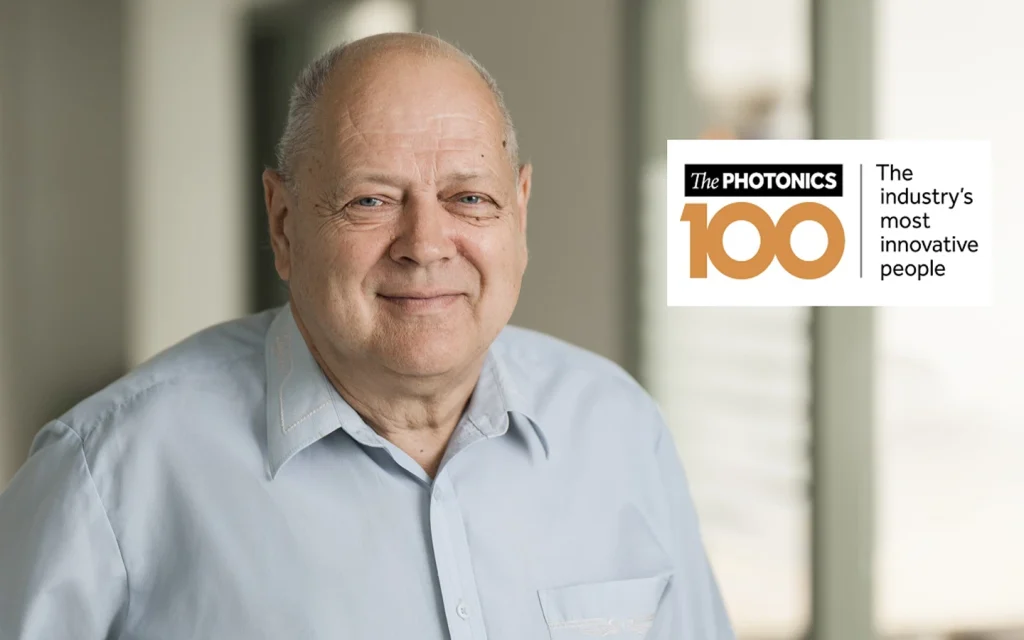
EKSPLA’s engineer – one of the honorees in the Photonics100 of 2024
The man behind EKSPLA’s tunable wavelength lasers has a place on the 2024 Photonics100. Dr. Romaldas Antanavičius also helped build PhotoSonus, a laser now used to detect breast cancer early.
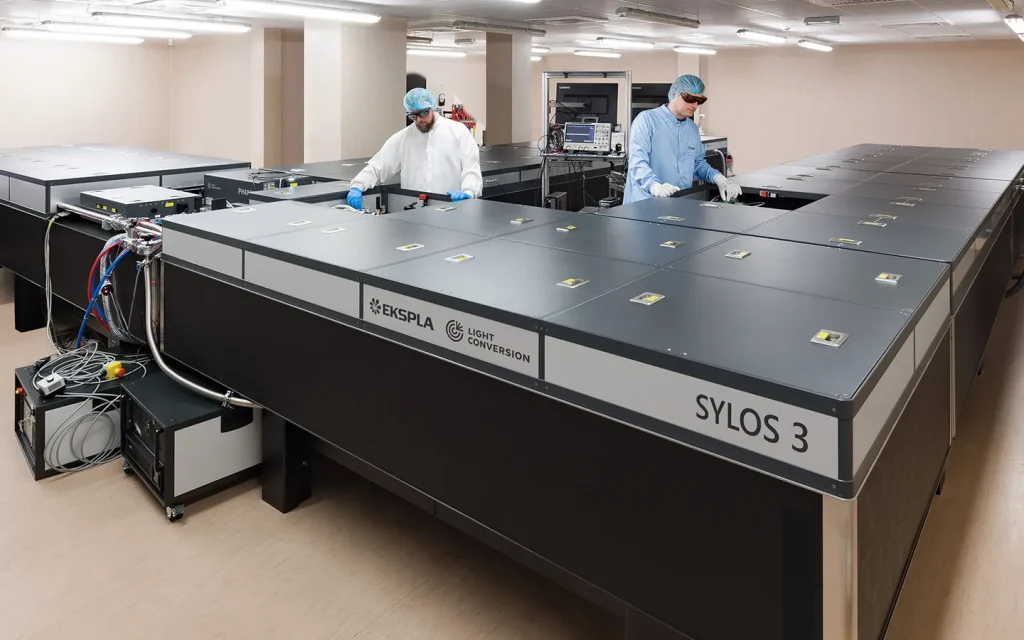
SYLOS 3: High-Intensity Leaps in Fundamental Research
Most terawatt-class lasers fire once and reset. SYLOS 3 runs at 1 kHz, and at 15 TW and 8 fs it gives ELI-ALPS researchers far more data per experiment. EKSPLA and Light Conversion built it from scratch in Vilnius.
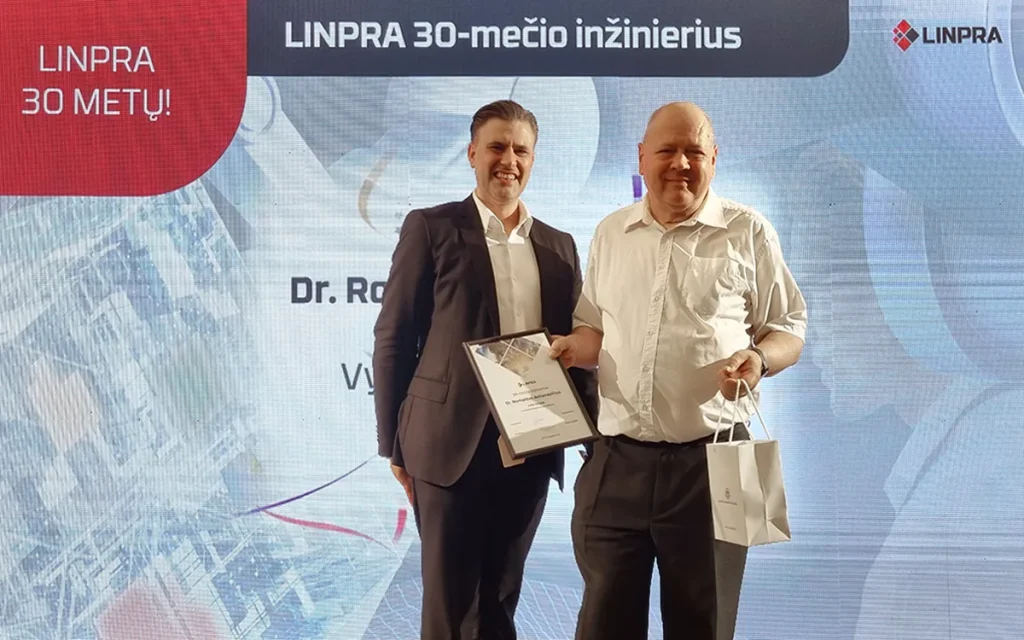
Dr. Romaldas Antanavičius received the LINPRA 30th Anniversary Engineer Award
Only three engineers took LINPRA’s 30th Anniversary Award, and Dr. Romaldas Antanavičius was one of them. His work spans both of EKSPLA’s Prism Award finalists and the cancer-detecting PhotoSonus laser.

Kestutis Jasiunas receives EPIC Lifetime Achievement Award
From co-founding EKSPLA in 1992 to leading it to more than half the world’s scientific picosecond laser market, Kęstutis Jasiūnas has shaped the field. EPIC has now honored him with its Lifetime Achievement Award.