Through glass vias (TGVs) fabrication
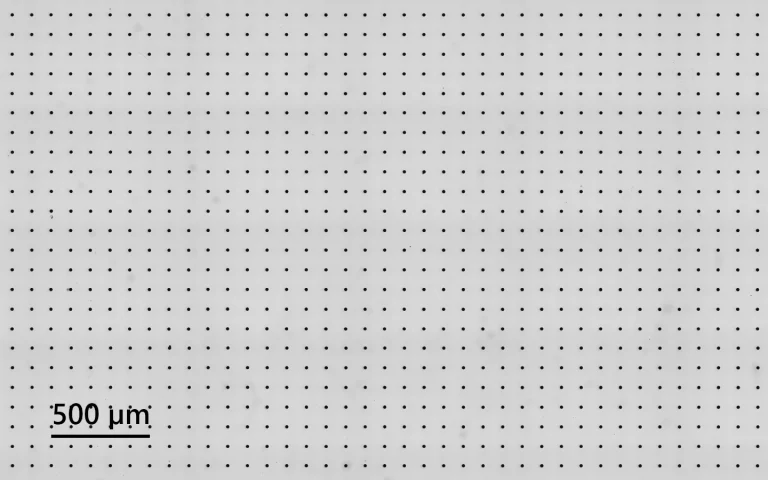
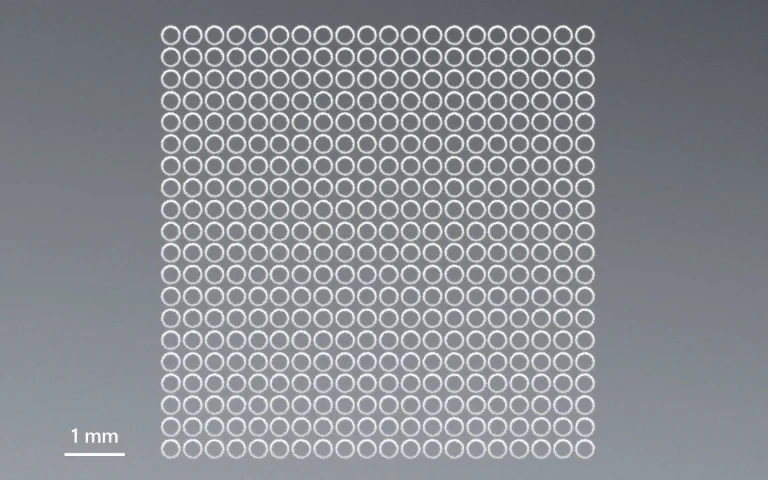
Formation of high aspect holes in glass substrates is becoming an increasingly important topic, especially in semiconductor field. With the help of femtosecond lasers it is possible to form low degree taper and high aspect ratio TGVs in glass with high quality – low chipping, absence of cracking and smooth hole inner wall.
FemtoLux 30 operating in GHz burst mode is used in producing high aspect ratio TGVs in glass substrates by performing percussion drilling. By splitting the single high energy pulse into 50 pulses in GHz burst, it is possible to not only to achieve high aspect ratio (up to 80 and more), but also precisely control the hole’s depth with resolution of 0.1 μm by carefully tuning the burst configuration. The technology for manufacturing TGVs was validated for different glass materials: AN100, BK7, BF33, D263, EXG and soda-lime.
Alternatively, TGVs can be formed by utilizing MHz+GHz burst mode and bottom-up milling technology. Taking advantage of zero-taper structure formation from bottom-up milling technology and process throughput increase from MHz+GHz burst mode, 200 um diameter hole matrix was formed in BF33 and D263 glass.

GHz burst assisted percussion drilling of high aspect ratio holes in EXG glass.
Courtesy of Akoneer.
Manufacturing examples

GHz burst assisted percussion drilling of high aspect ratio holes in EXG glass.
Courtesy of Akoneer.
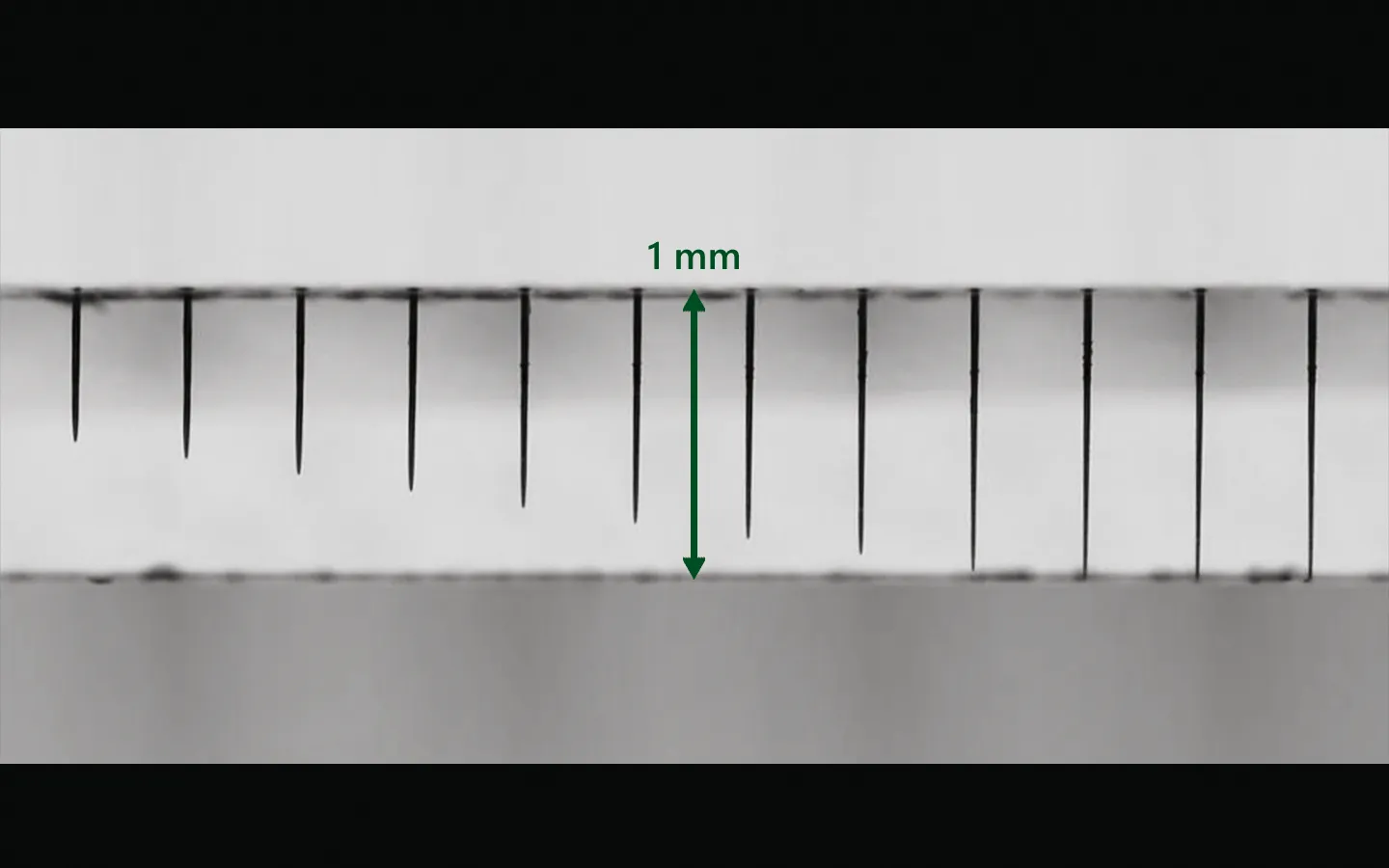
GHz burst assisted percussion drilling of high aspect ratio holes in EXG glass.
Courtesy of Akoneer.
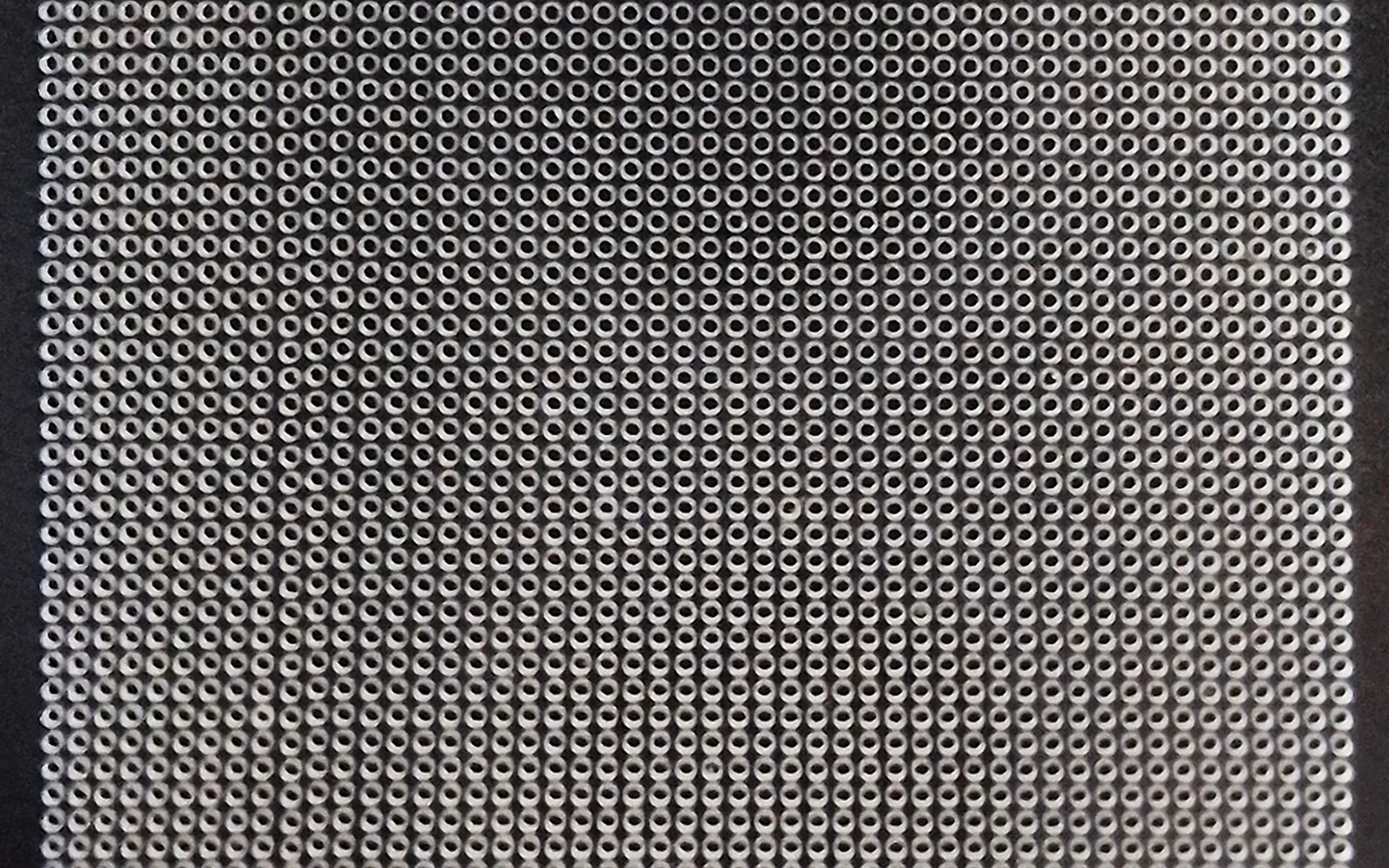
Bottom-up milling of 200 µm holes in SCHOTT BF33/D263 glass.
Courtesy of FTMC.
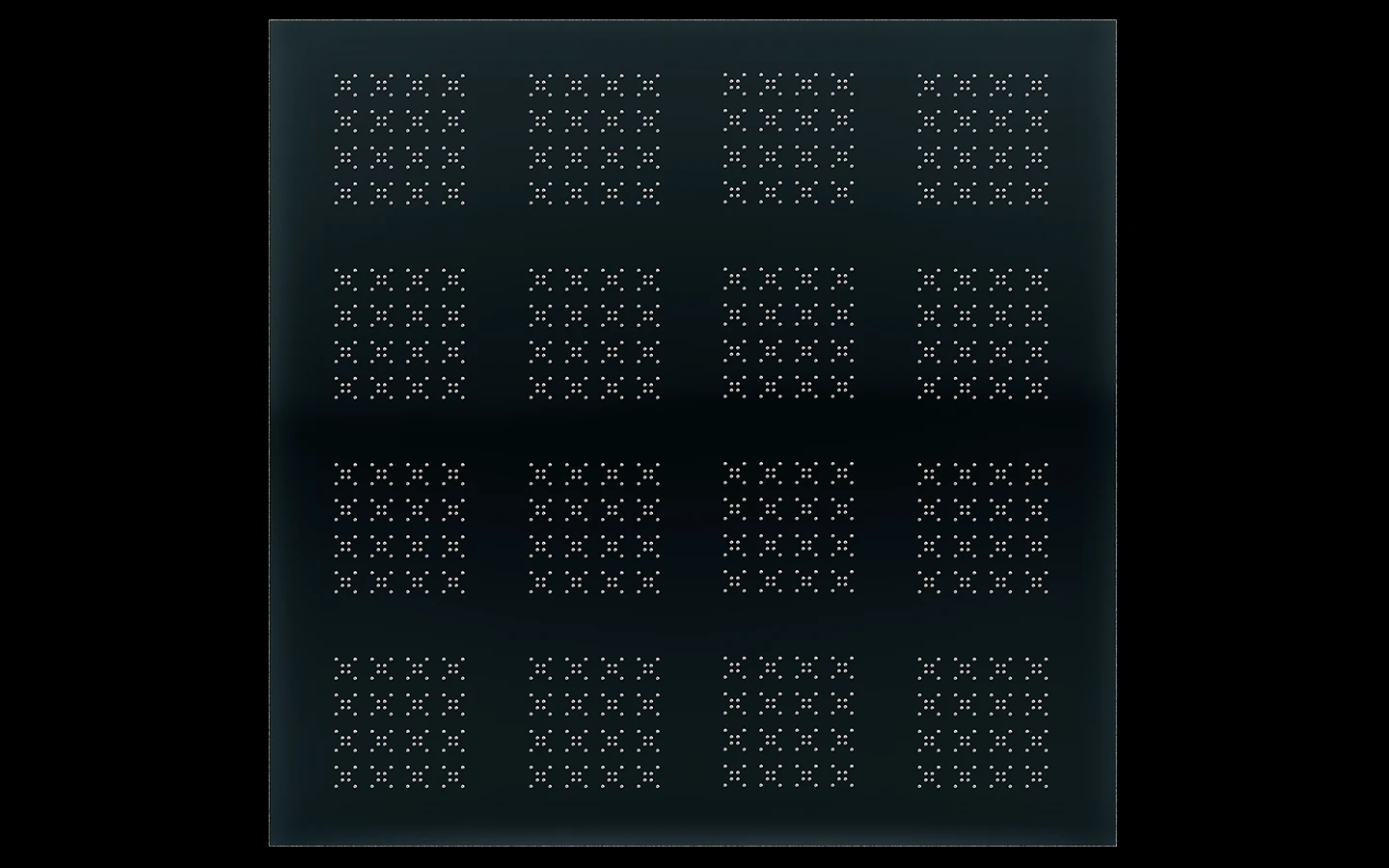
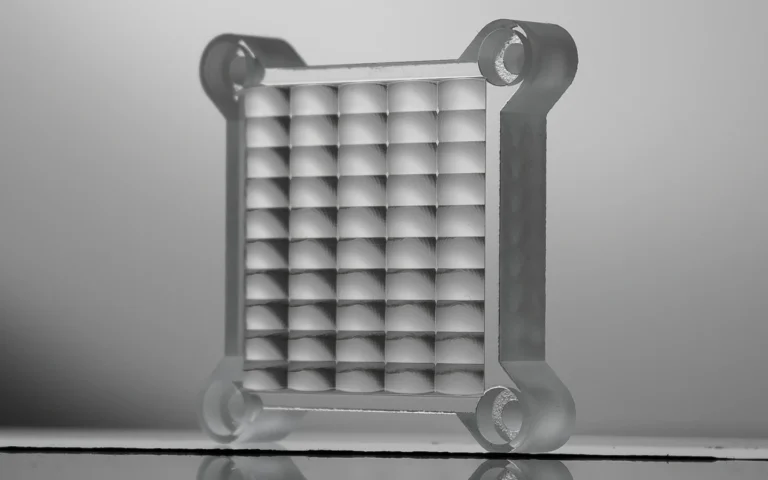
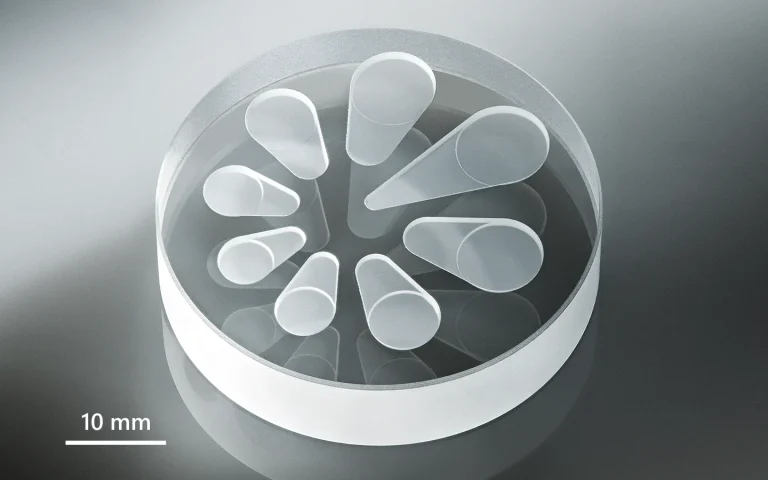
Selective laser etching (SLE) of through-glass vias in glass.
Courtesy of WoP.
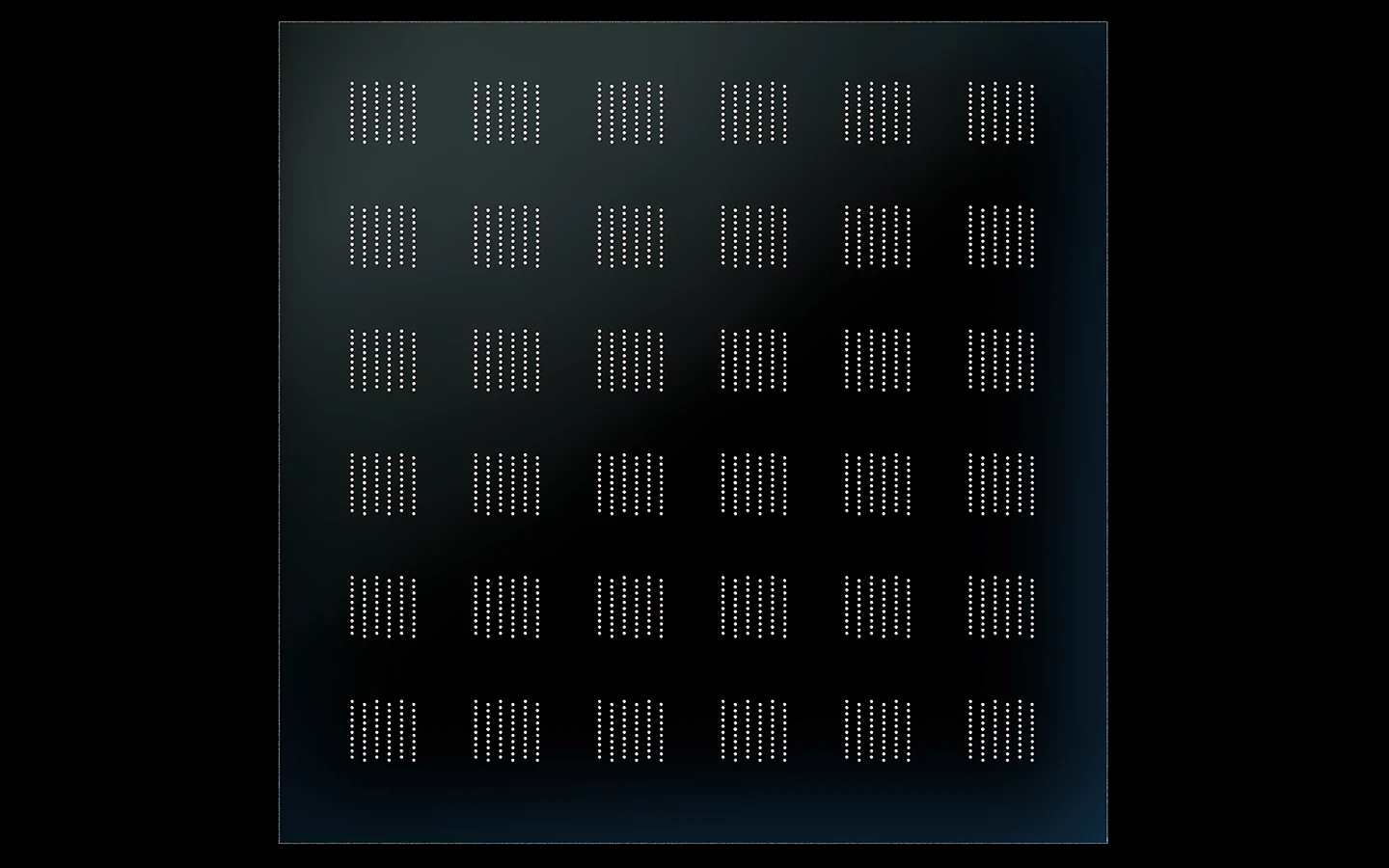
Selective laser etching (SLE) of through-glass vias in glass.
Courtesy of WoP.
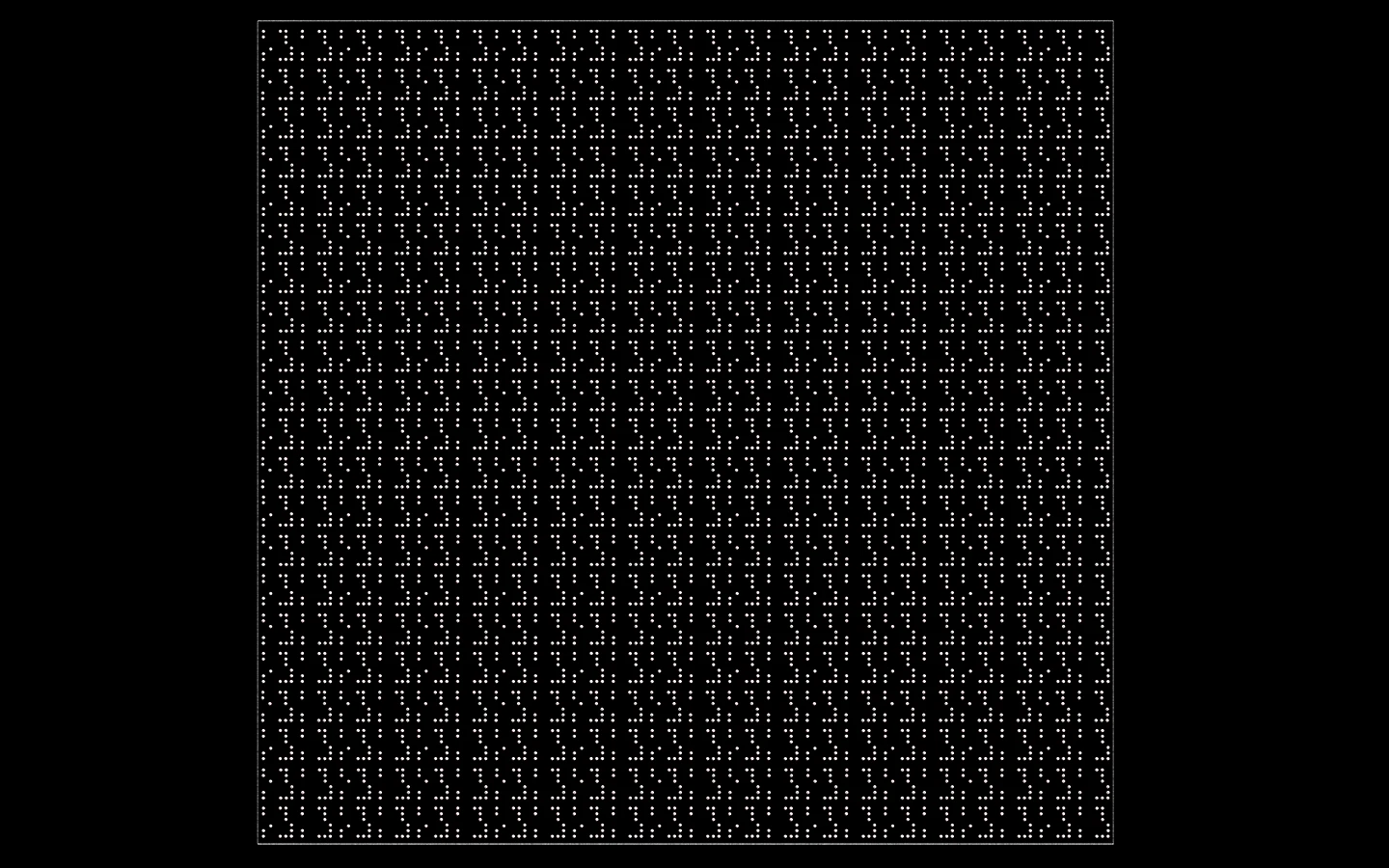
Selective laser etching (SLE) of through-glass vias in glass.
Courtesy of WoP.