
System integrators and machine builders face numerous challenges when ensuring reliability, flexibility, and long-term stability. Among all factors that influence overall system performance, thermal management stands out as one of the most decisive.
Every laser depends on an effective cooling strategy. The optimal method is determined not only by the laser’s architecture but also by environmental dynamics – especially in applications where thermal loads fluctuate. Inadequate cooling can result in declining efficiency, wavelength instability, and reduced lifetime.
Low-power lasers working in stable, temperature-tolerant environments may be cooled with simple airflow solutions, although this often requires additional space for ventilation. High-power lasers or systems with tight thermal tolerances demand far more precise control. With today’s lasers ranging in efficiency from 0.1% to nearly 80% – and power levels from milliwatts to several kilowatts – cooling design has become a central engineering task rather than a peripheral detail.
For many years, integrators of higher output power ultrafast lasers had only one practical choice: a water chiller. Laser manufacturers traditionally provided only basic parameters such as flow rate and coolant temperature, leaving end users to select and maintain external chillers.
Limitations of Conventional Water Chillers
Typical liquid chillers use single-speed compressors and large coolant reservoirs to stabilize temperature under fluctuating loads. While effective, these systems present several challenges:
- Large physical footprint that consumes valuable factory floor space
- Risks of leaks that can damage lasers or electronics
- Algae growth and contamination in coolant loops
- Pump failures that can halt the entire system
- Continuous maintenance requirements
- Warranty complications when cooling failures propagate into system failures
These shortcomings encouraged the search for more compact, reliable, and maintenance-free solutions.
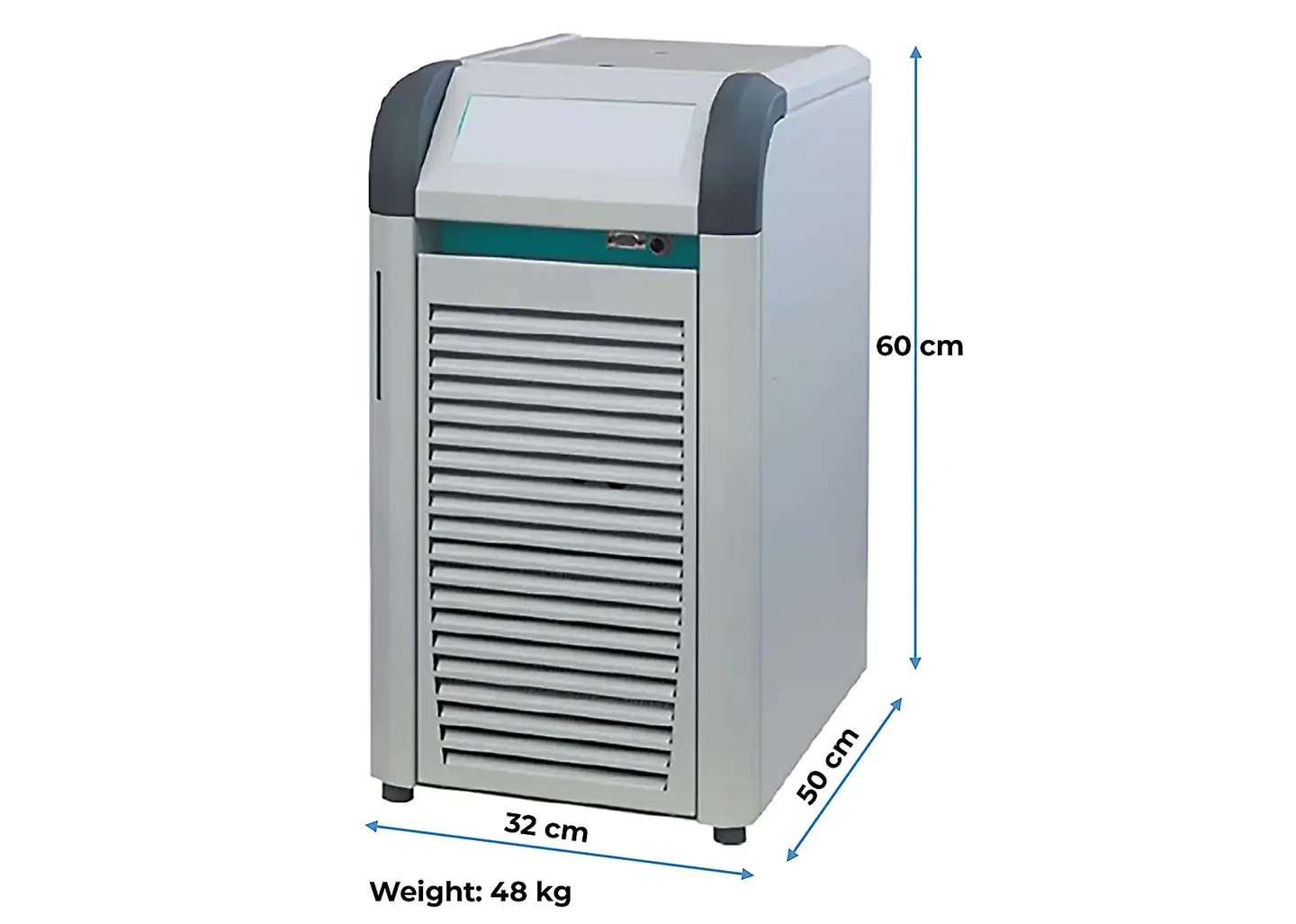
Fig. 1. A typical pumped-loop liquid chiller.
These systems use single-speed compressors paired with large reservoirs to stabilize coolant temperatures during load fluctuations and compressor cycling.
Courtesy of Aspen Systems Inc.
From Defense Technology to Industrial Photonics
A major breakthrough came with the development of miniature variable-speed compressors – originally engineered by Aspen Systems LLC for demanding military environments. In applications deployed on armored vehicles, aircraft, and mobile communications units, Aspen compressors demonstrated exceptional reliability, long service life, and the ability to deliver high cooling capacity in extremely compact form factors.
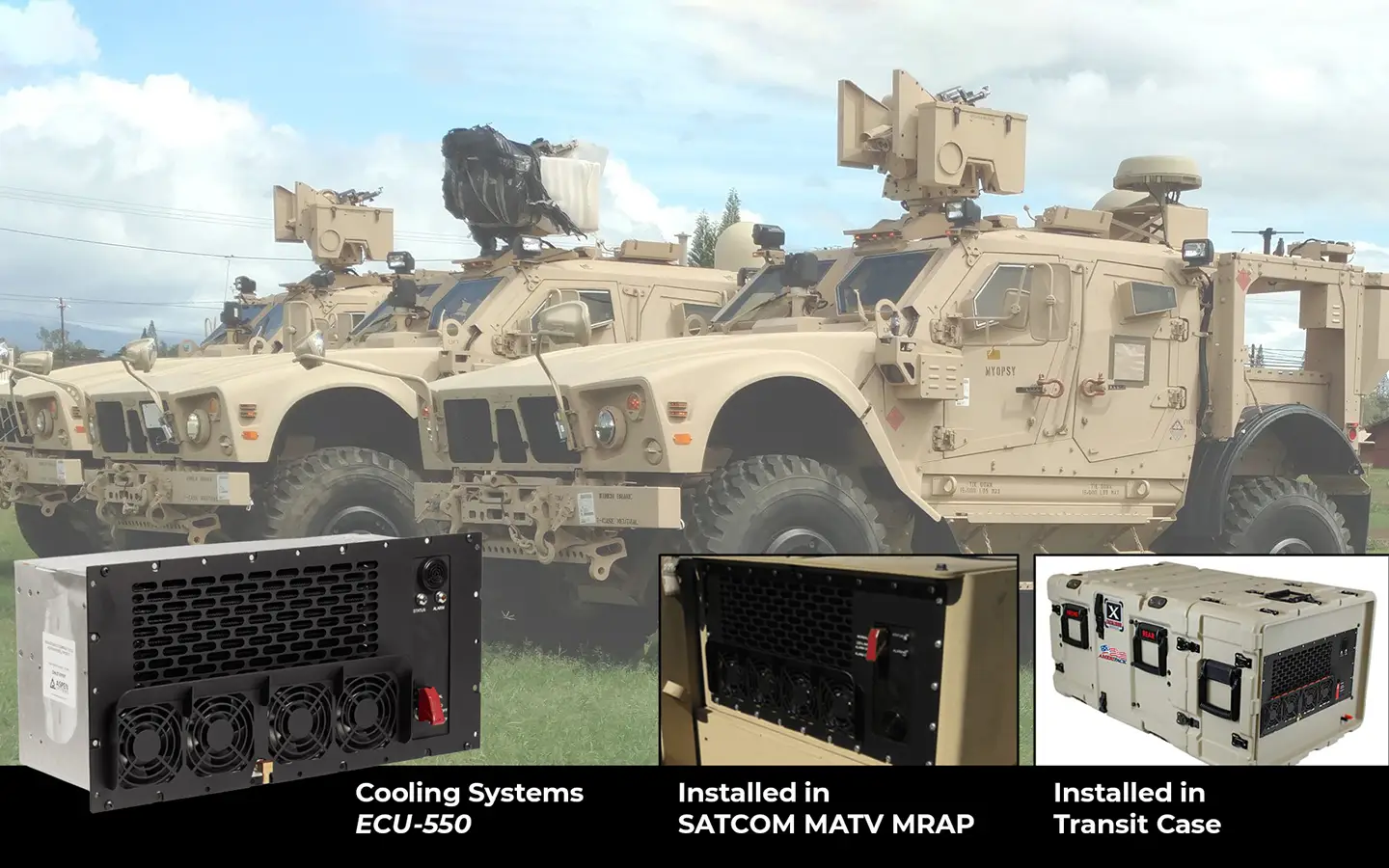
Fig. 2. Aspen Systems’ refrigeration systems, as used in military applications.
Courtesy of Aspen Systems Inc.
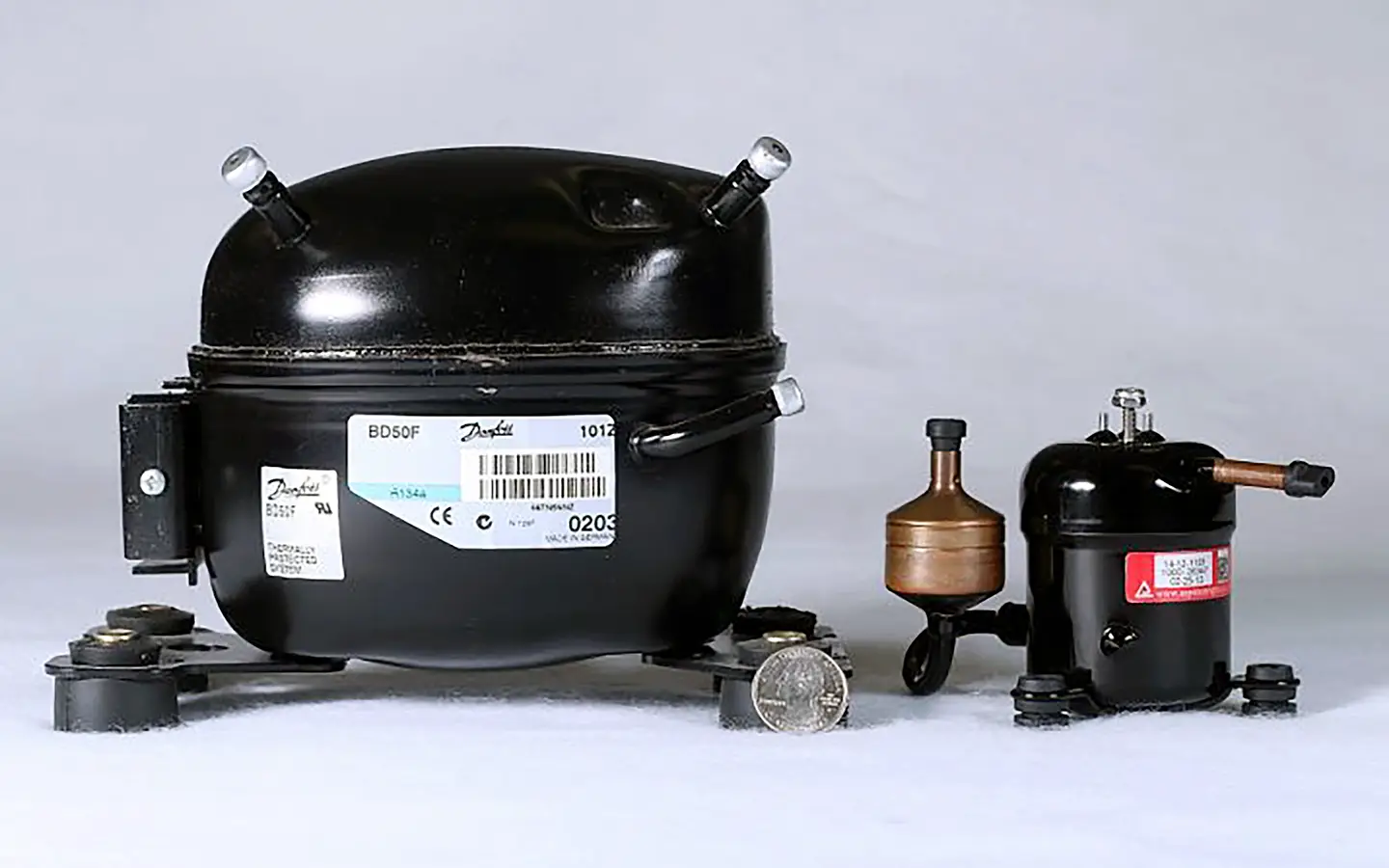
Fig. 3. Aspen Systems’ miniature variable-speed compressor (right).
Courtesy of Aspen Systems Inc.
Despite being up to 10 times smaller and lighter than traditional compressors, these units provide equivalent performance, often operating three to five times longer than liquid-system pumps. Their >5:1 turndown ratio and precise PID* control enable stable temperature regulation within ±0.1 °C, even under widely varying thermal loads.
Fundamentally, direct refrigerant cooling (DRC) technology overcomes the reliability issues of pumped liquid loops. Instead of circulating coolant water through a reservoir and pump, refrigerant flows directly through a cold plate in contact with the laser (Figure 4).
* Proportional-Integral-Derivative (PID) Controller. A PID controller is a common automatic control mechanism that continuously manages and adjusts a process to reach and maintain a desired setpoint. The mechanism uses a combination of three control actions: proportional, integral, and derivative. It calculates an error by comparing the actual process output to the desired setpoint and uses this error to generate a control output to adjust the system. The turndown ratio on the compressor of >5:1 means that the compressor can maintain control over temperature tolerances of loads that vary by a factor of five.
Direct Refrigerant Cooling – A New Standard in Laser Thermal Management
DRC eliminates circulating water entirely. Instead of pumping coolant through long loops and external tanks, refrigerant flows directly through a cold plate in thermal contact with the laser head. In comparative tests, DRC systems used half the electrical power of equivalent liquid chillers.
Key advantages
- No coolant, no risk of leaks, algae, or pump failures
- Significantly smaller footprint
- Up to 50% higher energy efficiency than water-cooled systems
- Minimal maintenance requirements
- Ultra-stable temperature control via isothermal phase-change heat transfer
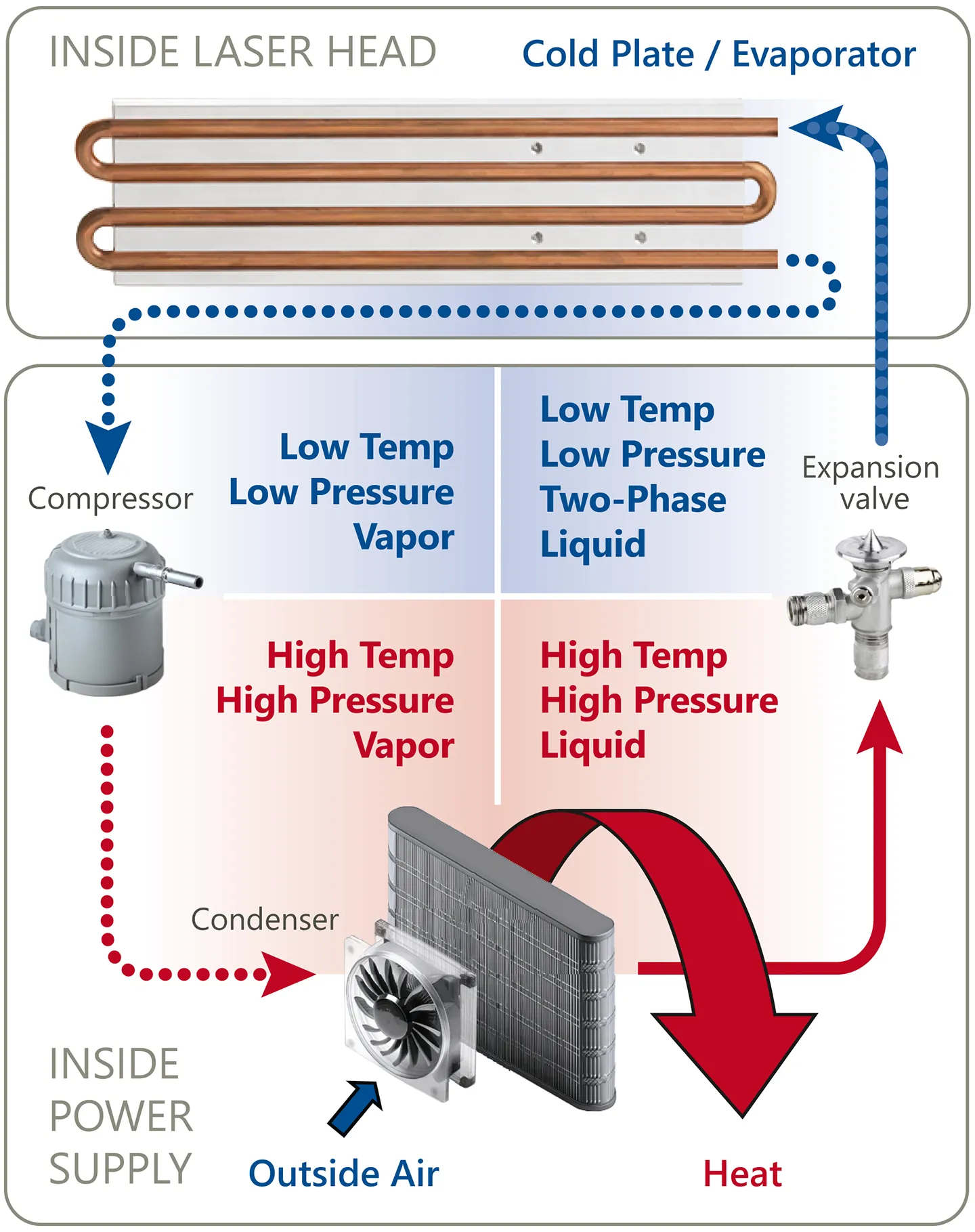
Fig. 4. DRC layout.
Courtesy of Aspen Systems Inc.
Integrating DRC into the FemtoLux Laser Series
EKSPLA engineers adapted this battle-proven cooling principle for industrial ultrafast lasers, implementing DRC inside the industrial femtosecond laser FemtoLux series.
This design offers:
- Full operation across diverse ambient conditions
- Eliminated maintenance tasks (no refilling, flushing, or filter replacement)
- Mean time between failures (MTBF) exceeding 90,000 hours — over 10 years of continuous use
- System footprint reduced by eliminating pumps, tanks, and external chillers
- Flexible integration using 3-meter armored lines
- Laser head and cooling plate weighing just 32 kg, with the power supply adding only 15 kg
The cooling system architecture includes a compressor, condenser, expansion valve, and evaporator integrated into the laser’s power supply unit. A high-pressure refrigerant is delivered to the expansion valve, which is mounted directly on the cooling plate that serves as the evaporator. As the refrigerant expands, it enters the cooling plate as a low-temperature, low-pressure liquid. As it circulates through the plate, it absorbs excess heat from the laser head and undergoes an isothermal phase transition from liquid to vapor. The resulting vapor returns to the compressor to be compressed into a high-temperature, high-pressure gas before passing through the condenser. There, the refrigerant once again condenses into liquid form, releasing heat to the ambient environment. The refrigerant loop enables exceptional integration flexibility, which is necessary to allow the laser head to be placed inside processing equipment or even mounted on a moving stage. It comprises the compressor and condenser, integrated within the power supply unit, as well as the expansion valve/cooling plate bundle, which is connected via 3-m-long armored flexible lines. For convenience, the cooling plate can be detached from the laser head during integration.
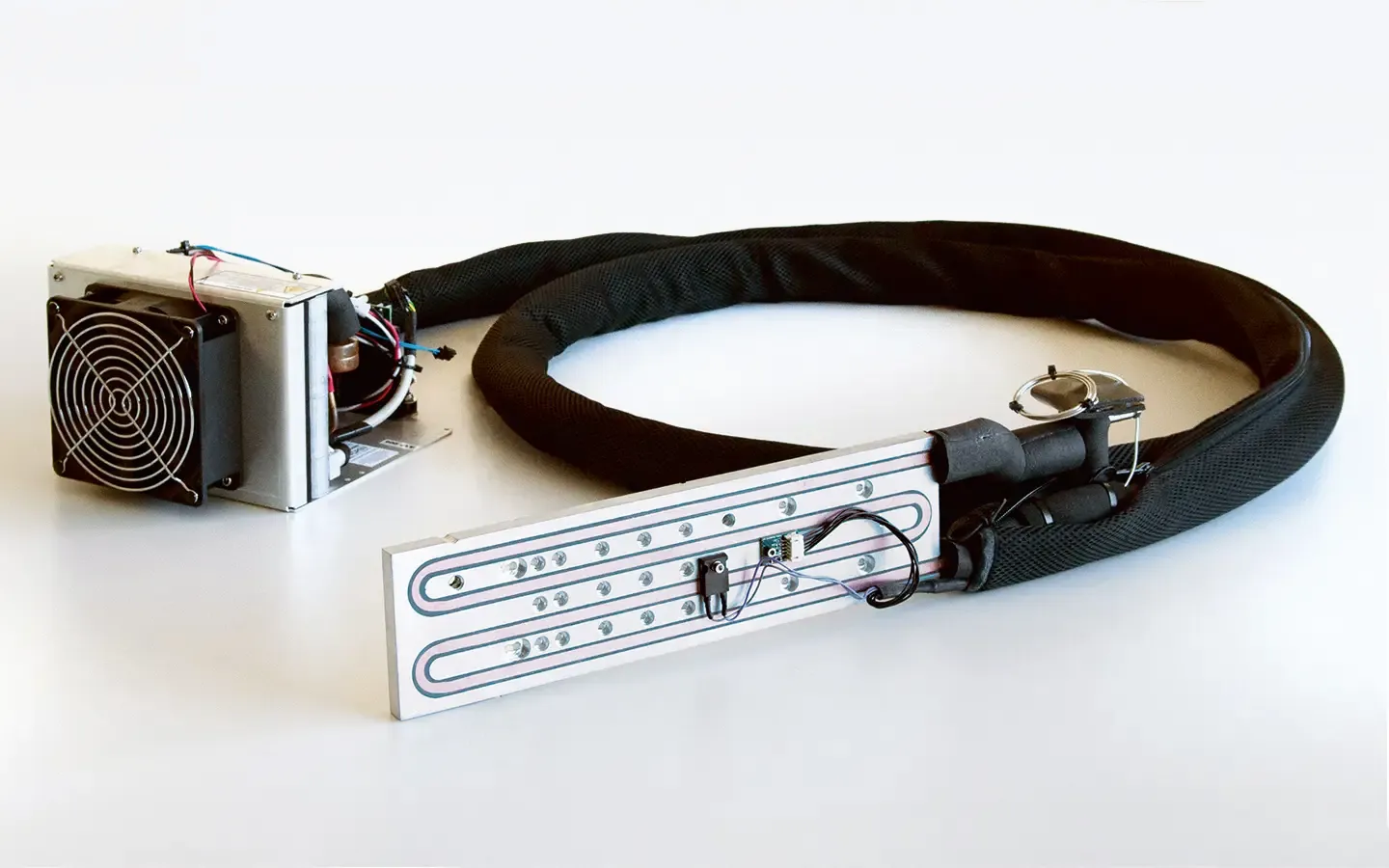
Fig. 5. DRC module used in FemtoLux series femtosecond lasers.
A cooling plate is attached to the ultrafast laser on one side of the design (above). On the other, a compressor with auxiliary electronics is installed into the laser power supply unit.
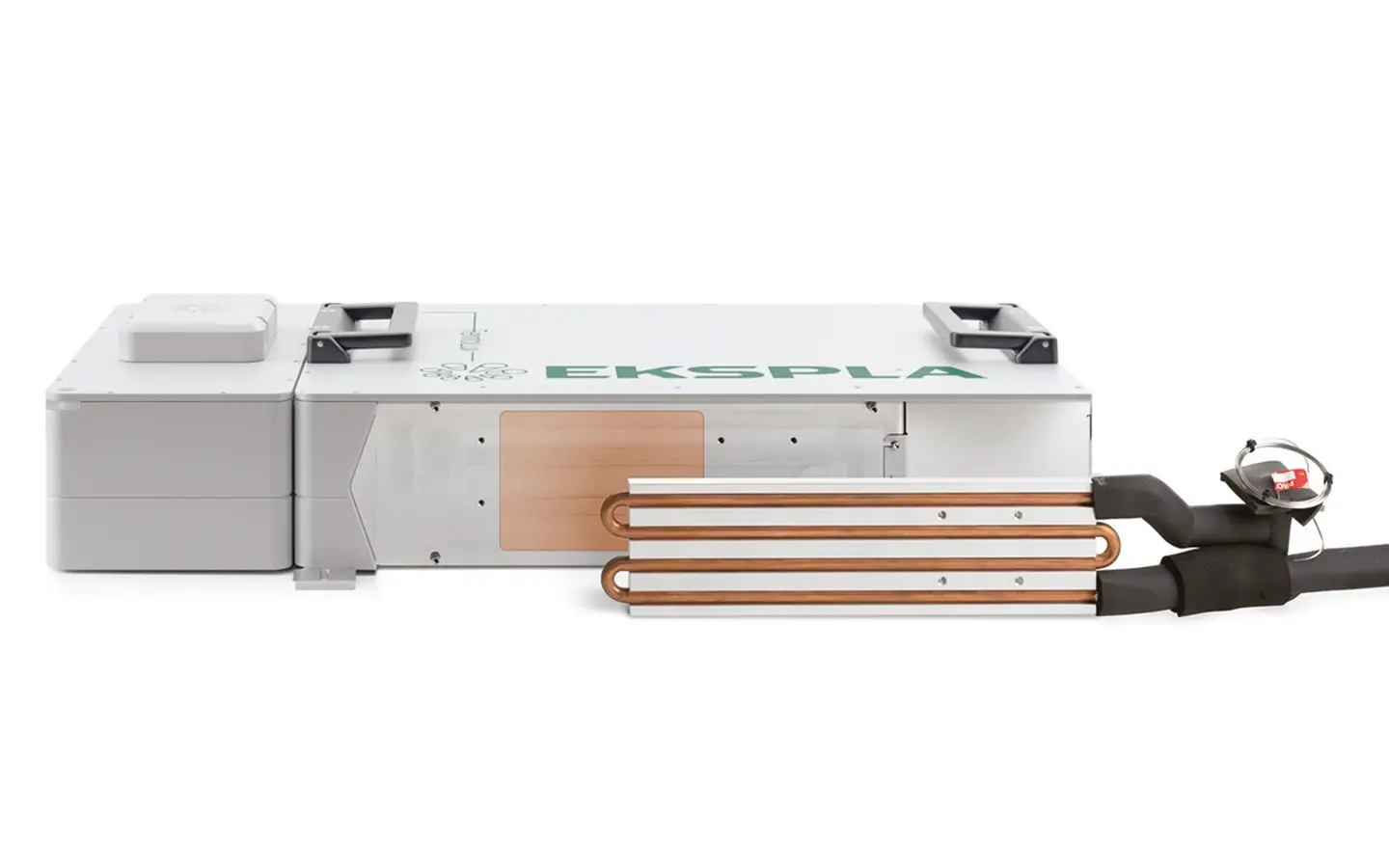
Fig. 6. DRC system.
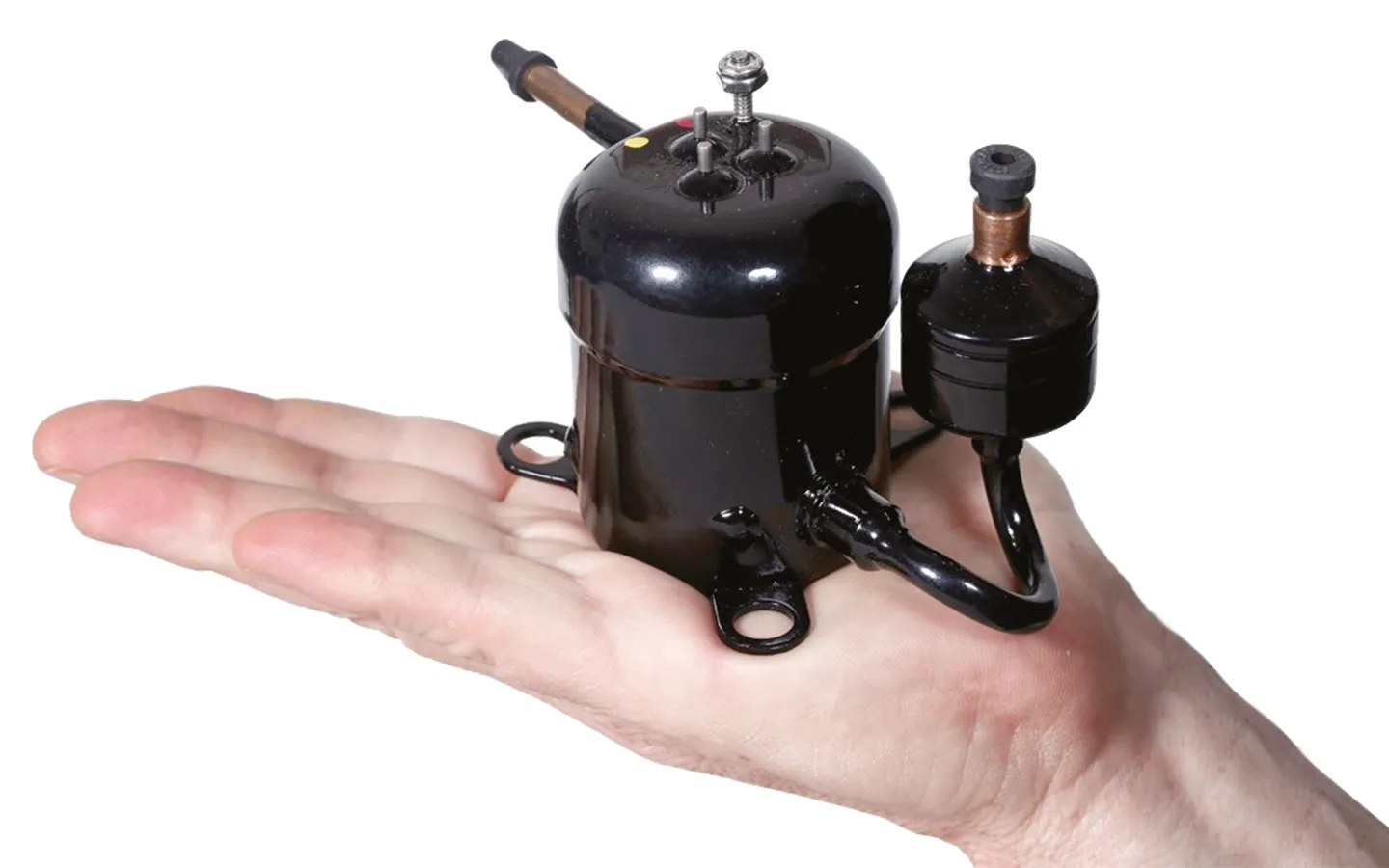
Fig. 7. DRC compressor picture.
Courtesy of Aspen Systems Inc.
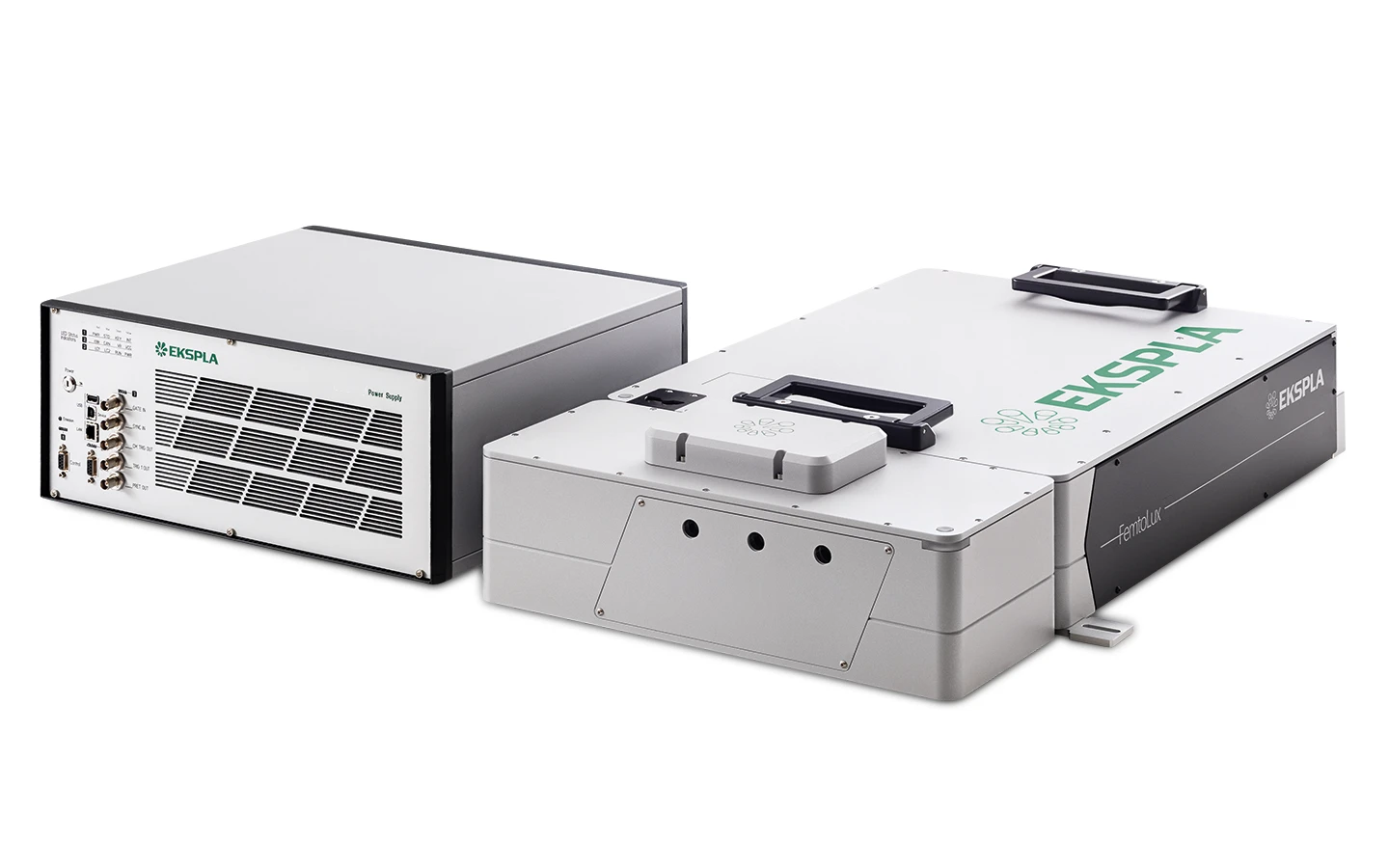
Fig. 8. Ultrafast laser FemtoLux with harmonics module and power supply.
System features the smallest footprint in the market among such output power femtosecond lasers.
Why DRC Benefits System Integrators
- Exceptional reliability and maintenance-free operation
Based on military experience system ensures 90000 hours MTBF. It means more than 10 years of work in 24/7 mode. Compressors’ lifetime compared with water cooled ones is up to 5 times longer. - Simplified installation
No external chiller, no plumbing, no auxiliary space requirements — integrators simply mount the cold plate. - Highest energy efficiency and lowest environmental impact
Uses low Global warming potential refrigerant; energy consumption is ~50% lower than water chillers and up to 8× lower than TEC systems. - Compact system footprint
FemtoLux lasers offer the smallest footprint in their class while delivering high-performance femtosecond output.
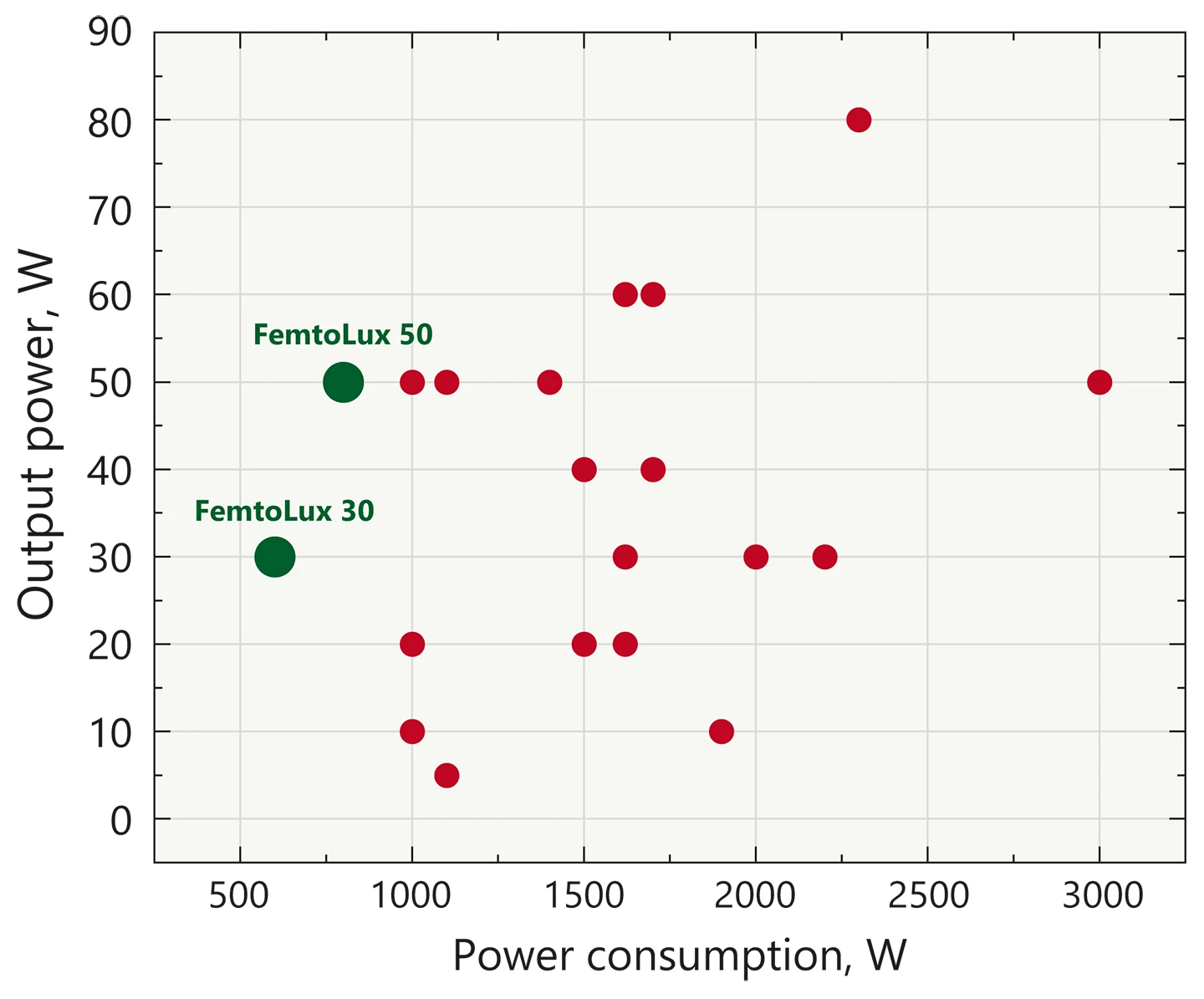
Fig. 9. FemtoLux 30 and 50 power consumption and output power comparison versus other ultrafast lasers manufacturers.
For system integrators, this “dry cooling” represents a major advance. Integrating and then leveraging an established DRC solution for industrial laser operation not only eliminates the limitations of water- and air-cooling. The simplicity of-attaching the cooling plate simplifies laser head integration overall, while the compact power supply unit ensures straightforward installation.
DRC has been used for more than a century, powering applications from household refrigeration to automotive air conditioning. It is simply cooling technology without the use of pumped liquid lines. The technology is also battlefield tested and used in military systems, including those that are deployed in helicopters, ships, armored vehicles.
Proven in Real-World Applications
Extensive application testing confirms the suitability of FemtoLux industrial femtosecond lasers for high-precision micromachining tasks — including stent cutting, semiconductor processing, and 24/7 industrial production.
A good example could be Vactronix Scientific, company dedicated to developing medical devices.
We appreciate several aspects of the FemtoLux 30 compared to our previous lasers. The installation process is straightforward, thanks to the laser’s lighter weight and attached handles. The reduced system footprint is a major plus, as both the controller and chiller fit easily within our frame envelope. The laser doesn’t require liquid coolant, making maintenance easier. In terms of performance, the higher power and frequency range have provided a noticeable improvement over previous systems, and the cost is also lower. Ekspla’s support has been far more responsive than our other suppliers, with readily available spares and faster turnaround times, which we find very favorable. Finally, we are pleased with the good beam quality the FemtoLux 30 consistently delivers.
Leading engineer from Vactronix Scientific

Nitinol stent cutting.
Courtesy of Vactronix Scientific.

Nitinol stent cutting.
Courtesy of Vactronix Scientific.

SSAIL technology on glass wafer.
Courtesy of Akoneer.
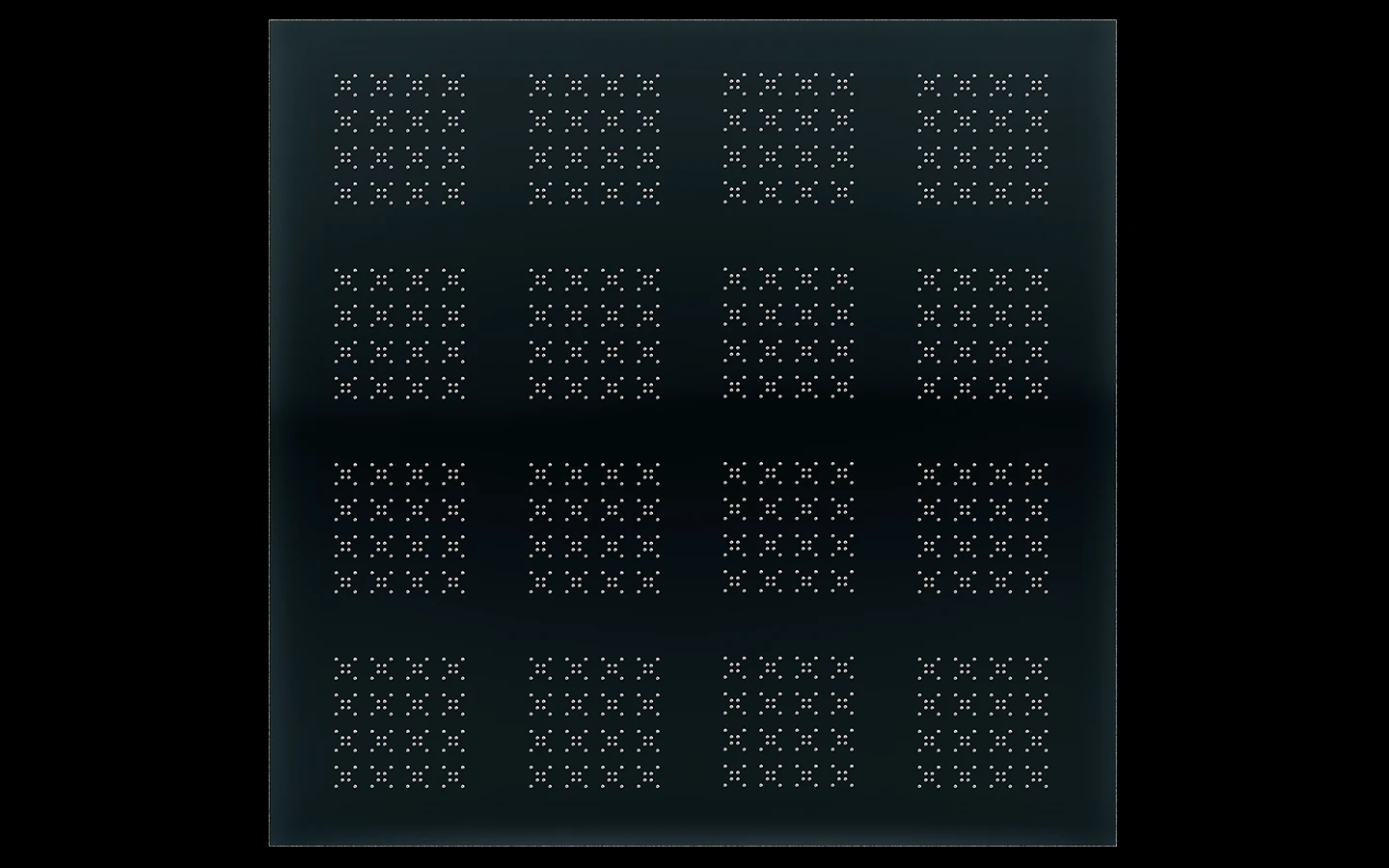
Selective laser etching (SLE) of through-glass vias in glass.
Courtesy of WoP.

Bottom-up milling of 200 µm holes in SCHOTT BF33/D263 glass.
Courtesy of FTMC.

Femtosecond laser induced selective etching of bistable switch.
Courtesy of Femtika.
FAQ
Direct Refrigerant Cooling (also called dry cooling or direct‑expansion cooling) routes refrigerant through a cold plate attached to the heat source so heat is removed by phase change rather than a pumped liquid loop. The result is a self‑contained, sealed system that eliminates external plumbing, reservoirs and pumps.
No external coolant loops or leak risk, compact footprint, minimal maintenance, and precise, ultra‑stable temperature control under variable loads. DRC modules use variable‑speed compressors and adaptive control to match cooling to demand, reducing wasted energy and thermal transients.
In practical laser and OEM applications, DRC can cut system cooling energy by roughly up to 50% compared with conventional water‑chiller solutions and can be 8 times more more efficient than thermoelectric cooling, depending on load and ambient conditions.
DRC is ideal for laser systems, medical and diagnostic instruments, defense and aerospace electronics, battery and power‑electronics modules, and compact OEM equipment where space, reliability and maintenance matter. EKSPLA has adapted DRC for its FemtoLux industrial femtosecond lasers to improve uptime and energy use in demanding and conventional environments.
DRC system, installed in FemtoLux series lasers use environmentally friendly low-global-warming potential refrigerant approved for transport, laboratory as well as manufacturing premises use. Using of FemtoLux is absolutely safe and no risk in all environments.